A Personal Loan is a type of unsecured borrowing that can help individuals manage a wide range of planned and unexpected expenses. Unlike loans designed specifically for a home, vehicle, or education, personal loans generally provide greater flexibility in how the borrowed money can be used, subject to the lender’s terms.
People may consider a personal loan when they need funds for an important expense but do not want to use their savings or other forms of credit. However, borrowing should always be planned carefully, with attention to the interest rate, fees, EMI, and total repayment amount.
Managing Medical Expenses
Unexpected medical bills can create financial pressure, particularly when the expense is not fully covered by insurance. A personal loan may help eligible borrowers manage hospital bills, treatment costs, medicines, or other healthcare-related expenses.
Before borrowing, it is important to compare the loan cost with other available financial resources and ensure that the EMI remains affordable.
Home Renovation and Repairs
Home improvements are another common use of a Personal Loan. Borrowers may use funds for painting, repairs, furniture, electrical work, plumbing, kitchen upgrades, or other renovation projects.
A personal loan can provide flexibility when the expense does not fit into the borrower’s immediate savings budget. However, it is sensible to estimate the renovation cost accurately before deciding how much to borrow.
Education Expenses
Students and families may sometimes require additional funds for education-related expenses. Depending on the lender’s terms, a personal loan may be used for items such as course fees, study materials, professional training, or other eligible education costs.
For larger education expenses, borrowers should also compare personal loans with dedicated education loan products, as the terms can differ.
Wedding Expenses
Weddings can involve significant expenses, including venue bookings, catering, clothing, photography, decorations, and travel.
Some individuals may consider a personal loan to manage part of these costs. However, because wedding expenses can be substantial, borrowers should create a realistic budget and avoid taking on debt that could create financial pressure after the event.
Travel and Vacation
A personal loan may also be used for travel-related expenses where permitted by the lender. This can include transportation, accommodation, or other holiday costs.
However, financing a vacation through debt should be approached carefully. If possible, saving in advance may be a more cost-effective way to fund a discretionary trip.
Debt Consolidation
Another potential use of a Personal Loan is consolidating certain existing debts into a single repayment arrangement, where the lender permits it.
Debt consolidation may simplify repayment by replacing multiple obligations with one loan. However, borrowers should compare interest rates, fees, tenure, and total repayment costs before making a decision.
Consolidating debt does not eliminate the debt itself, so responsible repayment remains essential.
Emergency Expenses
Unexpected expenses can arise at any time. A personal loan may provide a source of funds for urgent requirements when savings are insufficient.
Examples can include essential home repairs, unexpected bills, or other immediate financial needs.
Before borrowing for an emergency, consider whether an emergency fund, insurance coverage, or another lower-cost option is available.
Purchasing Essential Household Items
A personal loan may sometimes be used for essential household purchases such as appliances, furniture, or other necessary items.
Borrowers should distinguish between essential purchases and discretionary spending. Taking a loan for a non-essential purchase can increase financial obligations unnecessarily.
Starting or Supporting a Small Business
Some lenders may allow personal loans to be used for certain business-related requirements, although business loans may be more appropriate depending on the situation and lender terms.
Anyone considering borrowing for a business should carefully assess expected cash flow and repayment capacity before taking on personal debt.
Major Personal Expenses
One of the key characteristics of a personal loan is its flexibility. Depending on the lender’s terms, funds may be used for various legitimate personal requirements that do not fall into a specific loan category.
The important consideration is not only what the loan can be used for but whether taking the loan is financially sensible.
Things to Consider Before Taking a Personal Loan
Before applying for a Personal Loan, compare different lenders and review the interest rate, processing fee, repayment tenure, EMI, late-payment charges, and total repayment amount.
Calculate your existing financial commitments and determine whether the new EMI fits comfortably within your monthly budget.
Borrowing only the amount you actually need can help keep your overall repayment obligation manageable.
Conclusion
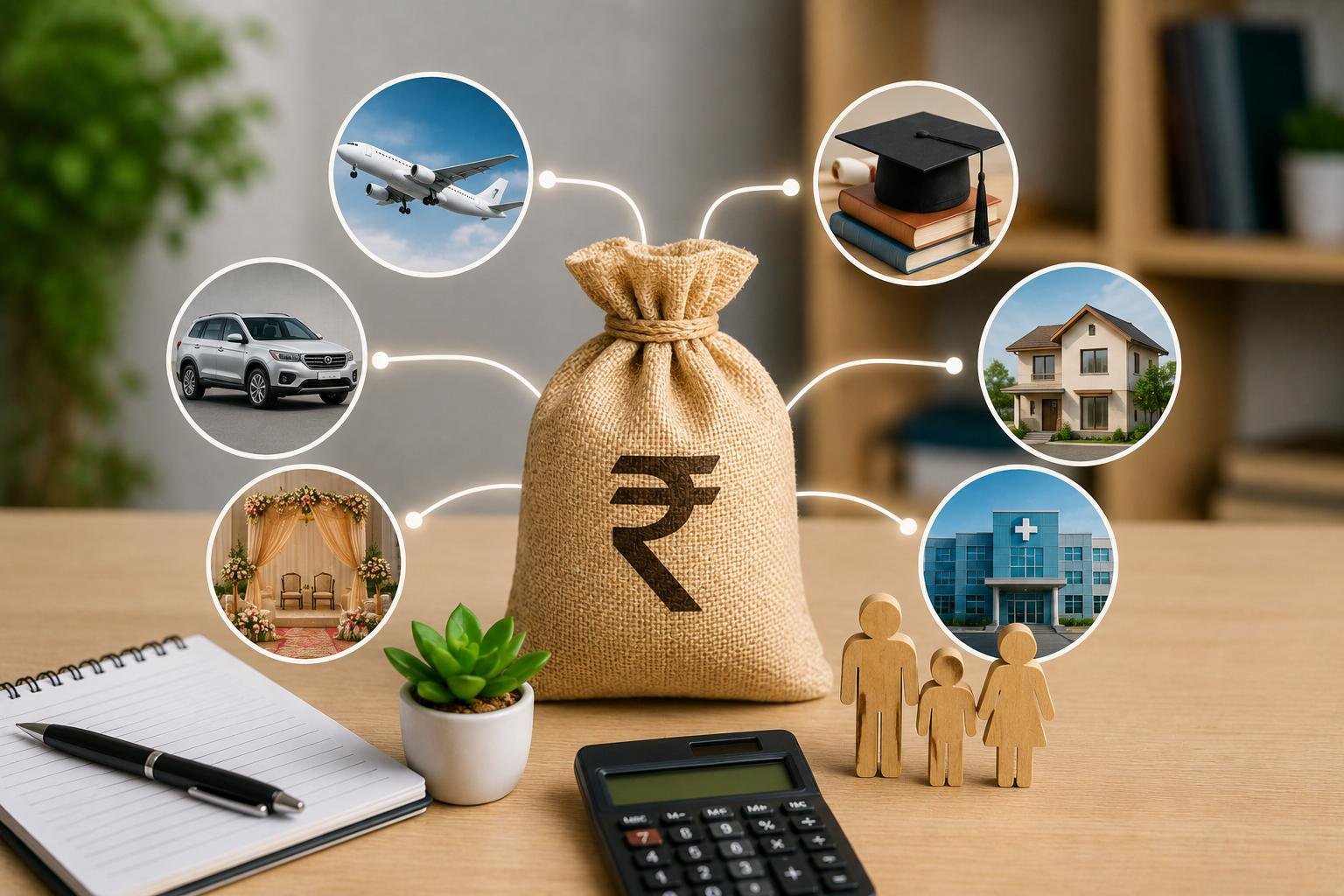
There are many common uses of a Personal Loan, including medical expenses, home repairs, education, weddings, emergencies, travel, household purchases, and certain debt-management requirements.
The flexibility of a personal loan can make it useful, but it should not encourage unnecessary borrowing. Before taking a loan, understand its complete cost and make sure you have a realistic plan for repayment.
FAQs About Common Uses of a Personal Loan
1. What are the common uses of a personal loan?
Common uses can include medical expenses, home renovation, education costs, weddings, emergencies, travel, household purchases, and certain debt-consolidation requirements.
2. Can I use a personal loan for medical expenses?
Depending on the lender’s terms, a personal loan may be used for eligible medical and healthcare-related expenses. Always check the loan agreement for any restrictions.
3. Can a personal loan be used for home renovation?
Yes, personal loans can generally provide flexibility for eligible home renovation or repair expenses, subject to the lender’s terms and conditions.
4. Is it a good idea to use a personal loan for a vacation?
It depends on your financial situation. Since a vacation is generally a discretionary expense, consider whether you can save for it instead of taking on additional debt.
5. What should I consider before using a personal loan?
Consider the interest rate, processing fees, EMI, repayment tenure, total repayment amount, and your existing financial obligations. Make sure the new EMI is comfortably affordable.