Design experience is about creating products, spaces, websites, events, and interactions that are not only visually appealing but also useful, engaging, and memorable. A successful design experience considers how people feel, behave, and interact with something rather than focusing only on how it looks.
Today, design plays an important role in almost every industry. From digital platforms and mobile apps to hotels, retail stores, events, and physical spaces, thoughtful design can influence how people perceive and remember a brand.
What Is Design Experience?
Design experience refers to the complete experience a person has when interacting with a product, service, environment, or brand.
It includes visual elements such as colors, typography, images, layouts, and graphics, but it goes beyond appearance. Navigation, functionality, accessibility, comfort, emotions, and ease of interaction are also important parts of the experience.
A good design makes people feel comfortable and helps them accomplish what they want without unnecessary confusion.
Why Design Experience Matters
People often form opinions quickly based on their interactions with a brand or environment. A well-designed experience can create trust, encourage engagement, and make a product or service easier to use.
For businesses, strong design can help create differentiation in competitive markets. When customers have a positive experience, they may be more likely to return, recommend the brand, or develop a stronger connection with it.
Design Experience in Digital Platforms
Websites and mobile applications are some of the most common examples of design experience.
A website should not only look attractive but also provide simple navigation and clear information. Users should be able to find important pages, understand the content, and complete actions without unnecessary effort.
Responsive design is also important because people access digital platforms through different screen sizes and devices.
The Role of User Experience
User experience (UX) is closely connected with design experience. UX focuses on how easily and effectively users interact with a product or service.
Good UX considers user needs, expectations, challenges, and behavior. Designers may use research, testing, feedback, and analytics to understand where users experience difficulties.
The goal is to create an experience that feels intuitive and useful.
Design Experience in Physical Spaces
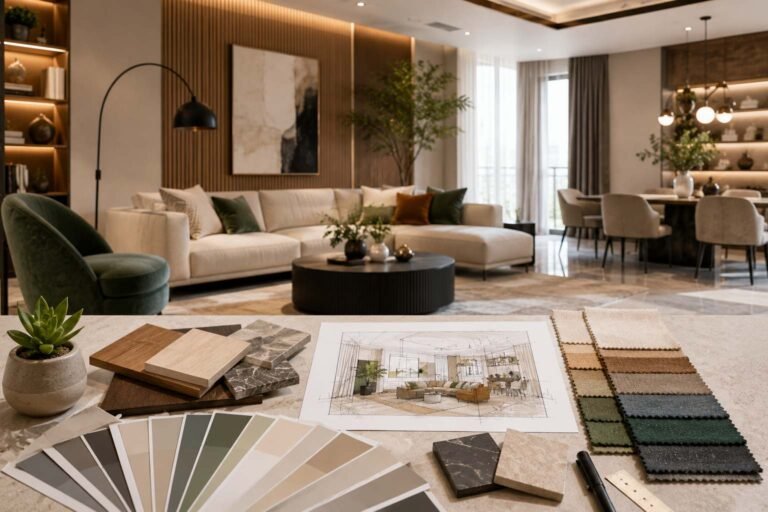
Design experience is not limited to digital products. Physical environments can also be carefully designed to influence how people feel and interact with a space.
Hotels, restaurants, retail stores, offices, exhibitions, museums, and event venues use lighting, architecture, furniture, signage, sound, colors, and spatial layouts to create particular experiences.
For example, a luxury hotel may use elegant materials, comfortable lighting, and carefully planned spaces to create a premium atmosphere.
Design Experience in Events
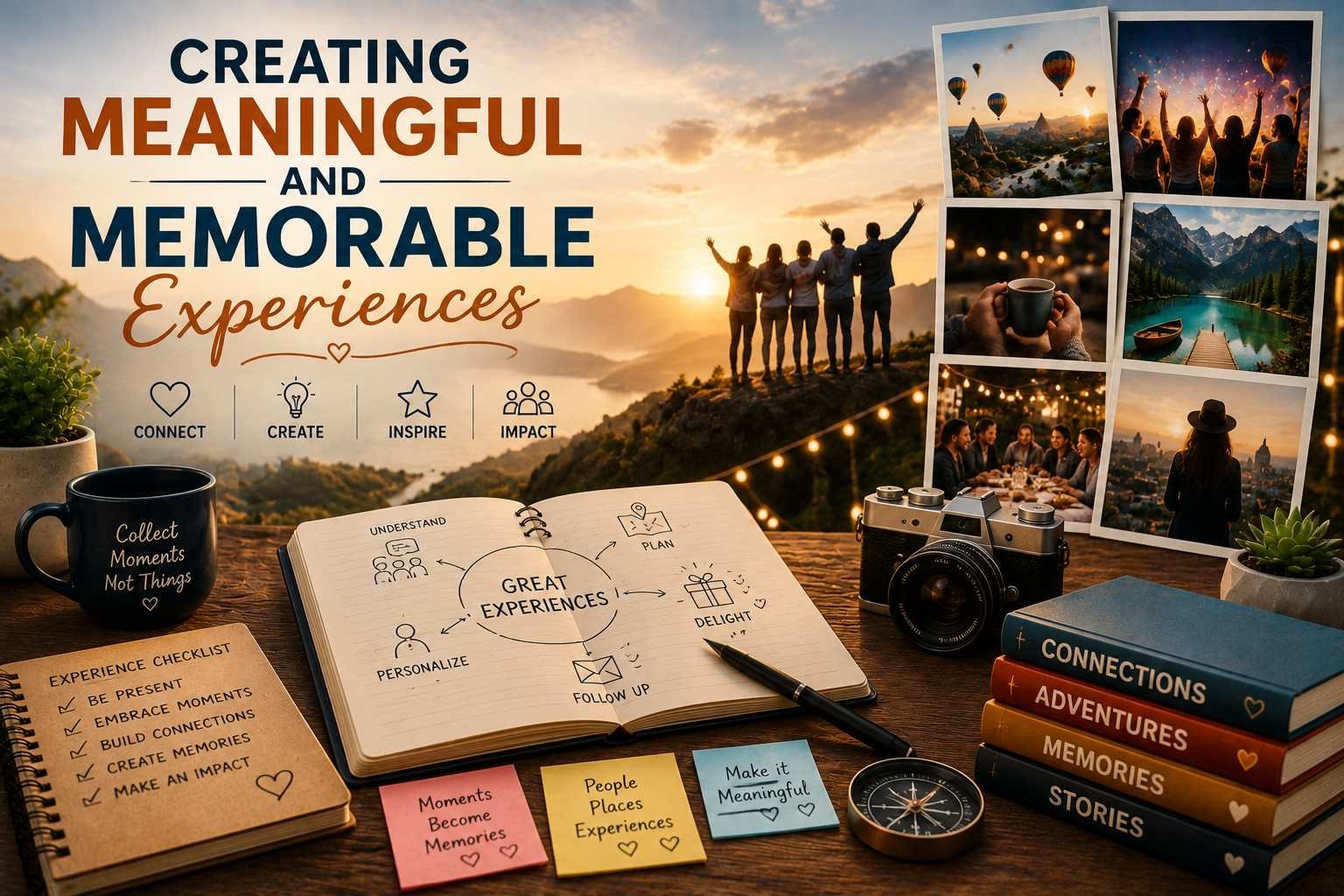
Events provide another excellent example of experience-focused design. Successful events consider every stage of the attendee journey, from arrival and registration to seating, entertainment, networking, and departure.
Stage design, lighting, sound, digital screens, installations, interactive activities, and spatial planning can all contribute to the overall experience.
An event is more memorable when its different elements work together to create a consistent atmosphere and story.
Emotional Connection Through Design
Great design can create an emotional response. Colors, imagery, sounds, textures, storytelling, and interactive elements can influence how people feel about an experience.
For brands, emotional design can help create stronger connections with customers. A memorable experience can become associated with the brand itself.
This is particularly important in industries where products and services can be similar. The experience can become a major point of differentiation.
Personalization and Modern Design
Modern consumers increasingly expect experiences that feel relevant to their needs. Personalization can be used in websites, applications, retail experiences, entertainment, and marketing.
Recommendations, customized content, interactive features, and personalized communication can make an experience feel more useful.
However, personalization should be balanced with simplicity and privacy. Collecting or using customer information should be handled responsibly.
Accessibility and Inclusive Design
A strong design experience should consider different types of users. Accessibility helps ensure that products, websites, spaces, and services can be used by people with different abilities and needs.
Clear typography, readable contrast, understandable navigation, captions, alternative text, accessible layouts, and physical accessibility can make experiences more inclusive.
Designing for a wider range of people can also improve usability for everyone.
The Future of Design Experience
Technology is creating new possibilities for experience design. Artificial intelligence, augmented reality, virtual reality, interactive displays, immersive environments, and digital installations can create experiences that combine physical and digital elements.
These technologies can be especially valuable for events, entertainment, retail, exhibitions, museums, and brand experiences.
However, technology should support the experience rather than become the experience itself. The most successful designs start with people and their needs.
Conclusion
Design experience is about much more than creating something attractive. It combines aesthetics, functionality, usability, emotions, technology, and human behavior to create meaningful interactions.
Whether it is a website, mobile application, physical space, event, or brand campaign, thoughtful design can make an experience easier, more engaging, and more memorable.
As technology and consumer expectations continue to evolve, businesses that focus on creating useful and human-centered experiences can build stronger relationships with their audiences.