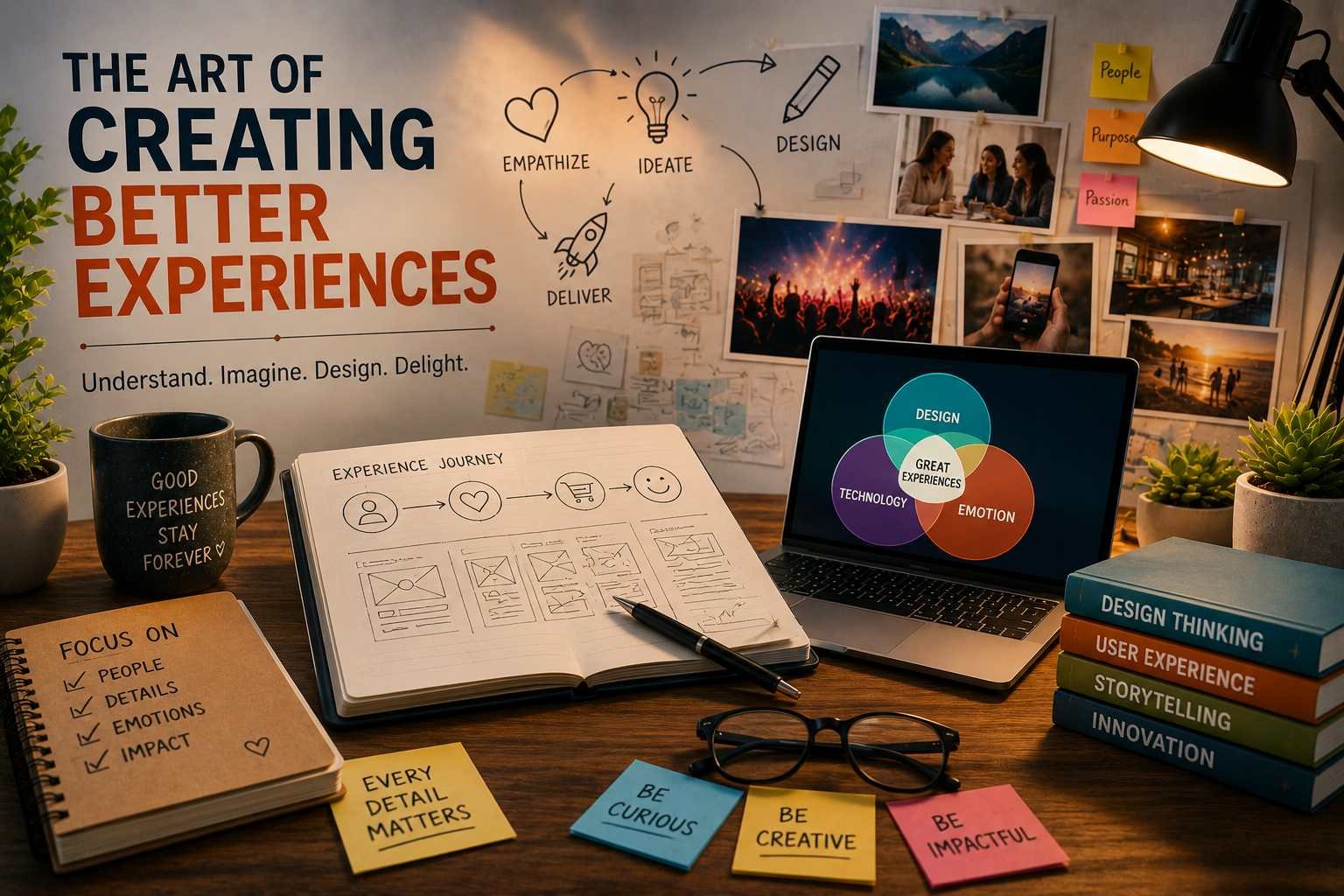
Design experience is the process of creating meaningful, useful, and engaging experiences for people. It goes beyond visual appearance and focuses on how a person feels, interacts, and responds when using a product, visiting a space, attending an event, or engaging with a brand.
In today’s competitive world, businesses are increasingly focusing on experience because customers remember how a brand makes them feel. A thoughtful design can make an interaction easier, more enjoyable, and more memorable.
What Makes a Good Design Experience?
A successful design experience combines creativity with functionality. A beautiful design may attract attention, but it also needs to be easy to understand and use.
Designers consider factors such as layout, colors, typography, navigation, materials, space, technology, and user behavior. The goal is to make every element work together instead of treating individual design elements separately.
A good experience should feel natural rather than complicated.
Understanding the User
People are at the center of experience design. Before creating a design, it is important to understand the audience, their expectations, preferences, and challenges.
User research can help designers identify what people need and where they may experience difficulties. Feedback, interviews, surveys, usability testing, and observation can provide valuable insights.
When design decisions are based on real user needs, the final experience is more likely to be useful and effective.
Design Experience in Websites
Websites are one of the most visible examples of design experience. Visitors expect websites to load quickly, work properly, and make information easy to find.
A well-designed website uses clear navigation, readable content, appropriate visuals, responsive layouts, and obvious calls to action.
The experience should remain consistent across desktop, tablet, and mobile devices.
Design Experience in Branding
Branding is also strongly connected to design experience. A brand’s logo, colors, typography, packaging, website, advertising, and physical presence can create a consistent identity.
When these elements work together, customers can recognize and remember the brand more easily.
Consistency also helps create trust because customers know what to expect from different brand interactions.
Creating Experiences in Physical Spaces
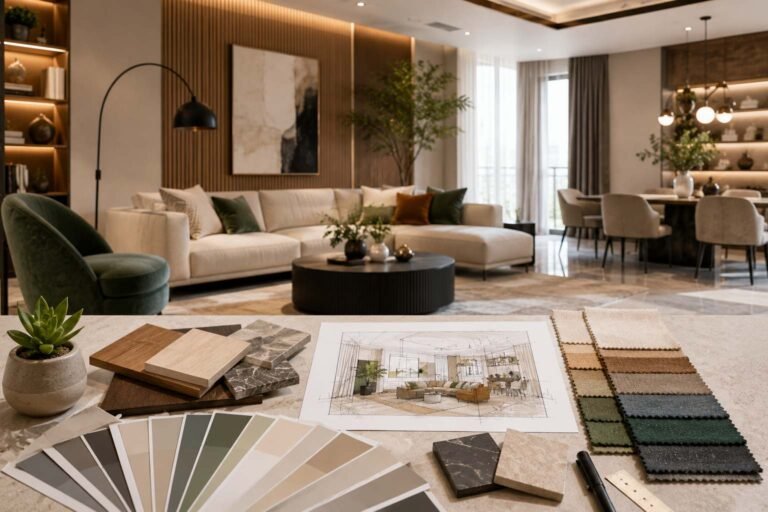
Physical environments can communicate a brand’s personality and influence people’s emotions. Retail stores, restaurants, hotels, offices, museums, and exhibitions all use design to create particular experiences.
Lighting, furniture, architecture, signage, sound, materials, and spatial arrangement can affect how visitors move through and interact with a space.
A well-planned environment can make people feel comfortable, welcomed, excited, or inspired.
Experience Design for Events
Events provide an opportunity to combine multiple design elements into one complete experience. From invitations and registration to stage design, lighting, entertainment, seating, and guest interaction, every touchpoint can contribute to the overall event.
Successful event design creates a clear journey for attendees. Instead of focusing only on decoration, planners consider how guests will experience the event from beginning to end.
This approach can turn an ordinary event into a memorable experience.
The Importance of Emotional Design
People often remember experiences based on how they felt. Emotional design focuses on creating positive feelings through visuals, storytelling, interaction, sound, and atmosphere.
A product that is simple and enjoyable to use can create a stronger connection than one that is visually impressive but difficult to understand.
For brands, emotional experiences can encourage loyalty and positive word-of-mouth.
Technology and Experience Design
Technology has expanded the possibilities of modern design. Interactive screens, augmented reality, virtual reality, artificial intelligence, projection mapping, and immersive installations can create new ways for people to engage with content.
These technologies can be especially useful for exhibitions, entertainment, retail experiences, museums, and corporate events.
However, technology should have a clear purpose. Adding technology simply because it is available may make an experience complicated rather than better.
Accessibility in Design
A strong design experience should be accessible to as many people as possible. Inclusive design considers different abilities, preferences, and circumstances.
In digital experiences, readable text, clear navigation, captions, alternative text, and accessible interfaces can improve usability.
In physical environments, appropriate signage, accessible entrances, comfortable movement spaces, and thoughtful layouts can make experiences more inclusive.
Design Experience and Business Growth
Good design can contribute to business success by improving customer satisfaction and strengthening brand perception.
When customers can easily understand a product, navigate a website, or enjoy a physical environment, they are more likely to have a positive impression of the business.
Design experience can therefore become an important part of customer engagement, differentiation, and long-term brand building.
The Future of Design Experience
The future of design experience will increasingly combine human creativity with advanced technology. AI-powered personalization, immersive environments, interactive interfaces, and digital-physical experiences are likely to become more common.
At the same time, simplicity and human needs will remain important. The most successful experiences will not necessarily be those with the most technology, but those that use design and technology to solve real problems and create meaningful interactions.
Conclusion
Design experience is about creating experiences that are attractive, functional, accessible, and emotionally engaging. It connects visual design with user needs, technology, storytelling, and human behavior.
Whether designing a website, brand identity, event, retail space, or digital product, focusing on the complete experience can create stronger connections with audiences.
As businesses continue to compete for attention, thoughtful experience design will remain an important way to stand out, build trust, and create memorable interactions.