
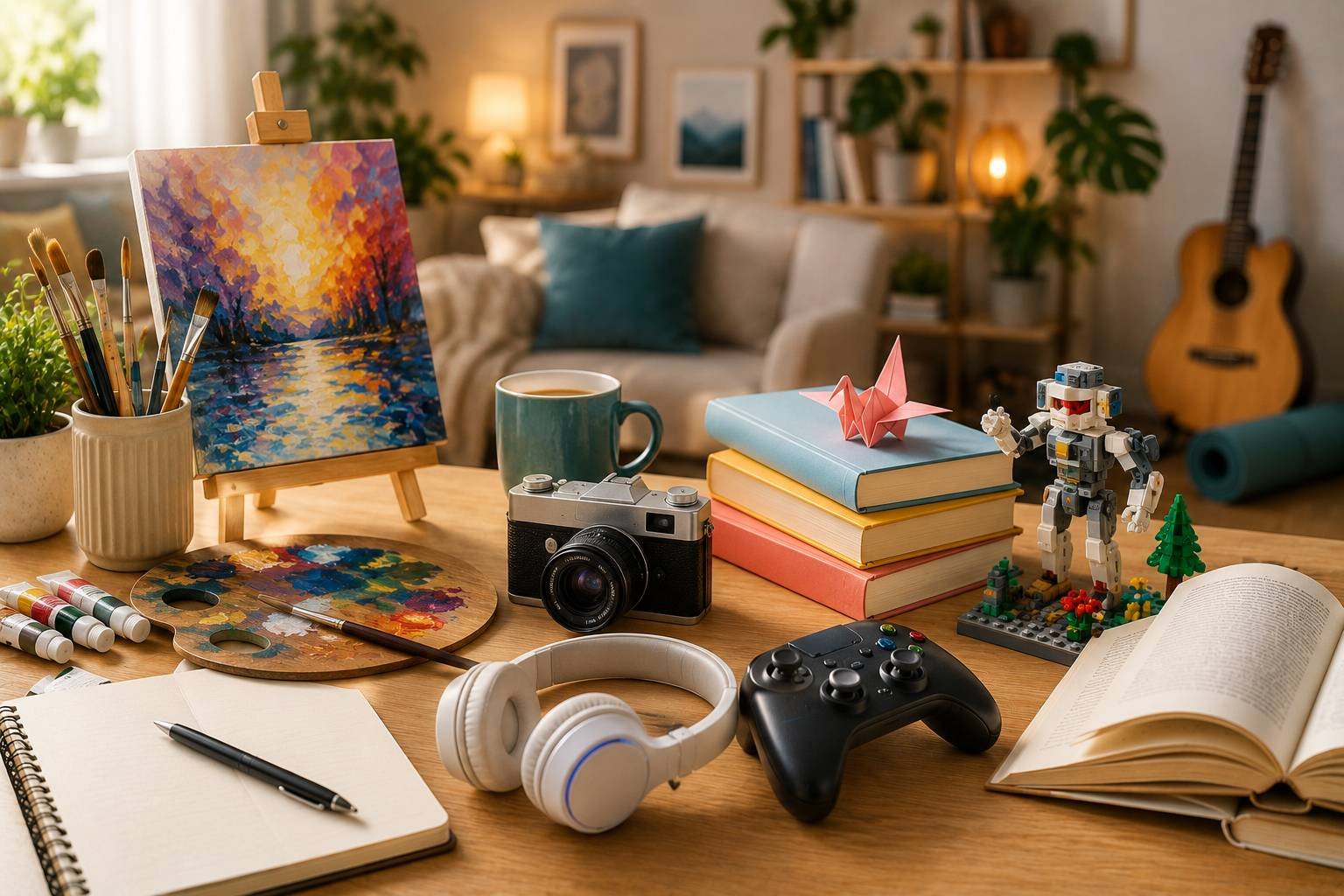
Entertainment is an important part of everyday life. It gives people opportunities to relax, enjoy their free time, discover new interests, and connect with others. From movies and music to television, gaming, live events, and digital content, the entertainment industry offers something for almost every audience.
With the growth of smartphones, streaming platforms, and social media, the way people consume entertainment has changed significantly. Today, audiences can access movies, songs, shows, games, and other content from almost anywhere.
What Is Entertainment?
Entertainment refers to activities, performances, and content created primarily to provide enjoyment, relaxation, excitement, or emotional engagement. It can be experienced individually or with family and friends.
Traditional entertainment included theatre, live music, storytelling, dance performances, and television. Modern entertainment has expanded to include streaming services, online videos, podcasts, social media content, esports, and interactive digital experiences.
Movies and Cinema
Movies remain one of the most popular forms of entertainment around the world. Cinema combines storytelling, acting, music, visual effects, and cinematography to create engaging experiences for audiences.
People watch movies for different reasons. Some enjoy action and adventure, while others prefer comedy, romance, drama, horror, or science fiction. Animated and family films also continue to attract audiences of different age groups.
The growth of digital platforms has also made it easier for viewers to watch movies at home.
Music and Entertainment
Music is another major part of the entertainment industry. Songs can influence emotions, create memories, and bring people together.
Listeners can explore different genres, including pop, rock, classical, hip-hop, electronic music, folk, and regional music. Music streaming services have made discovering new artists and songs easier than ever.
Live concerts and music festivals also provide audiences with an opportunity to experience performances in a social environment.
Television and Streaming
Television continues to be an important entertainment medium, while streaming has transformed how audiences watch content.
Viewers can now choose movies, web series, documentaries, reality shows, and other programs according to their interests and schedules. Instead of waiting for a specific broadcast time, audiences can often watch content whenever it is convenient.
This flexibility has made on-demand entertainment increasingly popular.
Gaming as Entertainment
Video games have developed into a major form of entertainment. Modern games offer interactive storytelling, competitive gameplay, immersive graphics, and multiplayer experiences.
Gaming can be enjoyed on smartphones, computers, consoles, and other devices. Esports has also created a growing competitive entertainment sector, with professional players and organized tournaments attracting large audiences.
Social Media and Digital Content
Social media has created new opportunities for entertainment creators. Short videos, comedy clips, livestreams, podcasts, and creator content can reach millions of viewers.
Platforms allow audiences to interact directly with creators through comments, likes, shares, and live conversations. This has made entertainment more interactive and personalized.
At the same time, audiences should be mindful of excessive screen time and choose content that adds value to their leisure time.
Live Events and Performing Arts
Live entertainment remains an important part of the industry. Concerts, theatre performances, dance shows, comedy events, festivals, and cultural programs allow audiences to experience entertainment in person.
Unlike recorded content, live events create a shared atmosphere between performers and audiences. This personal experience is one reason why concerts and performances continue to attract large crowds.
The Role of Entertainment in Daily Life
Entertainment is not simply about passing time. It can provide relaxation after a busy day and offer opportunities to explore creativity and different perspectives.
Movies can introduce audiences to new stories and cultures, music can influence moods, and games can encourage strategic thinking and problem-solving. Social entertainment can also strengthen relationships when people enjoy activities together.
However, maintaining balance is important. Entertainment should complement everyday responsibilities rather than interfere with work, education, sleep, or personal relationships.
The Future of Entertainment
Technology is continuing to influence the future of entertainment. Artificial intelligence, virtual reality, augmented reality, immersive experiences, and interactive storytelling may create new ways for audiences to experience content.
Personalized recommendations are also becoming increasingly common, helping people discover movies, music, games, and shows based on their interests.
As technology develops, the entertainment industry is likely to become even more interactive, personalized, and accessible.
Conclusion
The entertainment industry has evolved from traditional performances and cinema into a diverse digital ecosystem that includes movies, music, television, gaming, social media, streaming, and live events.
Whether someone wants to relax with a movie, listen to music, play a game, attend a concert, or watch online content, entertainment provides countless ways to enjoy free time.
As technology continues to evolve, entertainment will likely become more immersive and interactive while remaining an important part of modern life.