
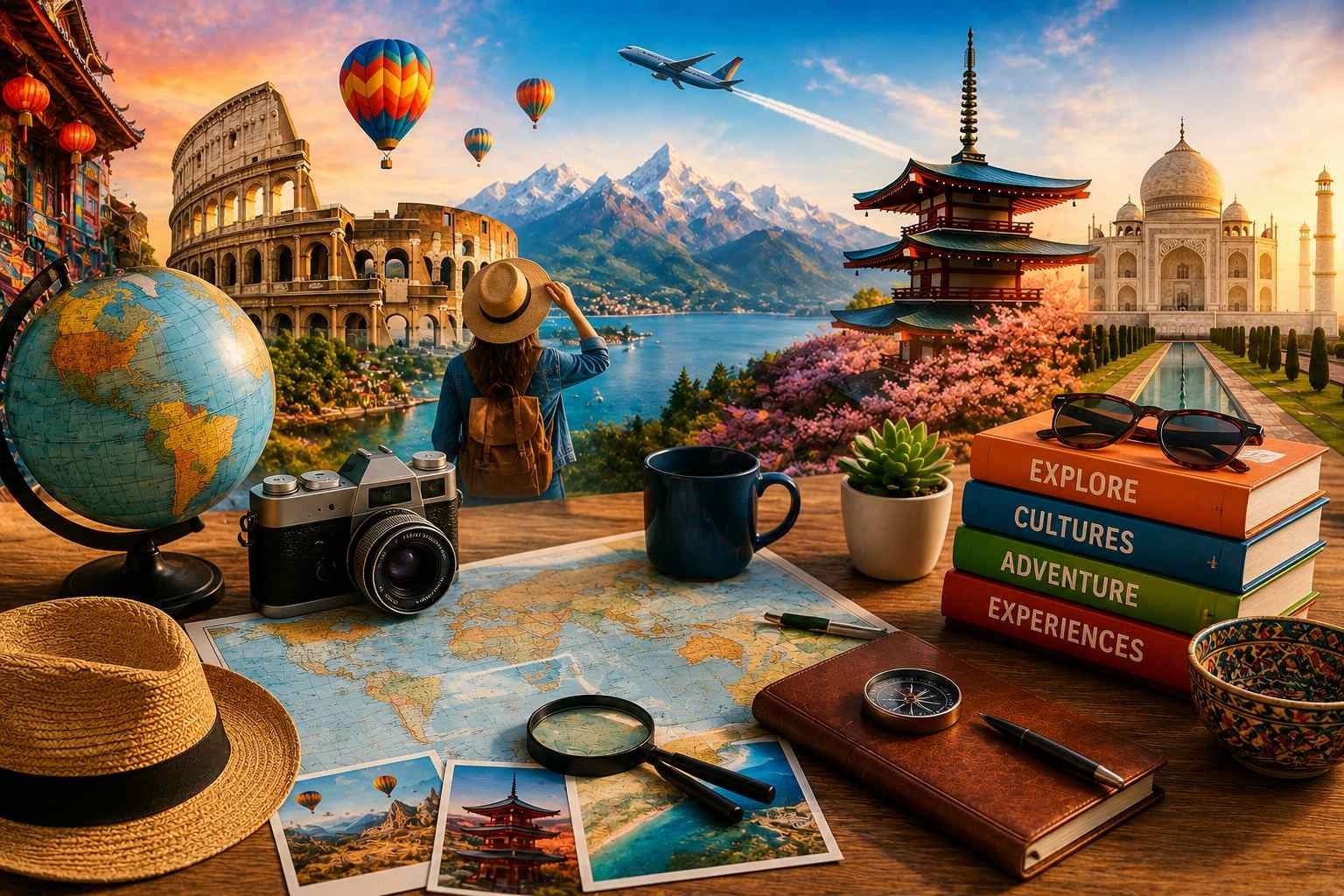
Travel is one of the most rewarding ways to explore the world, experience different cultures, meet new people, and create unforgettable memories. Whether it is a weekend getaway, a family vacation, a solo trip, or an international adventure, traveling provides an opportunity to step away from everyday routines and discover something new.
With easier transportation, online booking platforms, and digital travel resources, planning a trip has become more convenient than ever. Travelers can research destinations, compare accommodation, plan activities, and discover local experiences before beginning their journey.
Why Is Travel Important?
Travel offers more than simply visiting new destinations. It can provide a fresh perspective on life and help people understand different cultures, traditions, lifestyles, and environments.
A change of surroundings can also be refreshing after a busy routine. Spending time in nature, exploring historical places, or experiencing a new city can create memorable experiences and provide opportunities for relaxation.
Travel can also encourage independence and adaptability, particularly when exploring unfamiliar destinations.
Exploring Different Types of Travel
There are many different ways to travel, depending on personal interests and budgets. Some people prefer relaxing beach holidays, while others enjoy adventurous mountain trips or cultural journeys.
Leisure Travel
Leisure travel focuses on relaxation and enjoyment. Beach vacations, luxury resorts, sightseeing trips, and peaceful countryside stays are popular choices for travelers looking to take a break from their routine.
Adventure Travel
Adventure travel is ideal for people who enjoy excitement and outdoor activities. Trekking, camping, rafting, hiking, scuba diving, and other activities can add an adventurous element to a trip.
Travelers should always choose activities appropriate for their experience and follow local safety guidelines.
Cultural Travel
Cultural travel allows visitors to explore the history, traditions, food, art, architecture, and lifestyle of a destination.
Visiting museums, historical monuments, local markets, festivals, and cultural attractions can provide a deeper understanding of the places people visit.
Solo Travel
Solo travel gives individuals the freedom to create their own schedules and choose activities according to their interests. It can also encourage confidence and independence.
However, solo travelers should research their destinations carefully, keep important documents secure, and stay aware of their surroundings.
Choosing the Right Destination
Choosing a destination is one of the most exciting parts of planning a trip. Travelers should consider their budget, preferred activities, weather, travel time, accommodation options, and available attractions.
Some destinations are better suited to families, while others may appeal more to adventure seekers, couples, backpackers, or travelers interested in history and culture.
Researching the destination before traveling can help create a more comfortable and enjoyable experience.
Planning a Travel Budget
A realistic budget can make a significant difference to the overall travel experience. Travelers should consider transportation, accommodation, food, sightseeing, activities, shopping, travel insurance, and emergency expenses.
It is also useful to keep some additional money available for unexpected costs.
Comparing different travel options can help reduce unnecessary expenses without compromising the overall experience.
The Role of Technology in Travel
Technology has transformed the way people plan and experience travel. Smartphones allow travelers to access maps, translation tools, digital tickets, hotel information, weather updates, and travel guides.
Online platforms make it easier to compare flights, accommodation, restaurants, and attractions. Digital payment options can also make transactions more convenient in many destinations.
However, travelers should keep offline copies of important documents and essential information in case internet access is unavailable.
Responsible and Sustainable Travel
Modern travelers are becoming increasingly aware of the environmental and social impact of tourism. Sustainable travel encourages visitors to respect local communities, protect natural environments, and reduce unnecessary waste.
Simple actions such as avoiding littering, reducing single-use plastics, respecting local traditions, supporting local businesses, and following environmental guidelines can make travel more responsible.
Responsible tourism benefits both travelers and the destinations they visit.
Travel and Local Food
Food is an important part of discovering a destination. Local dishes can provide insight into the history and culture of a region.
Trying authentic local cuisine can make a trip more memorable, but travelers should consider food hygiene and any dietary requirements before eating unfamiliar dishes.
Local markets, traditional restaurants, and regional specialties can be excellent ways to experience a destination’s culinary culture.
Creating Memorable Travel Experiences
The best travel experiences are not always about visiting the most famous attractions. Exploring a local neighborhood, watching a sunset, meeting residents, discovering traditional food, or taking a quiet walk can become some of the most memorable parts of a journey.
Keeping a travel journal, taking photographs, or collecting meaningful souvenirs can also help preserve memories.
Conclusion
Travel offers opportunities to explore new destinations, experience different cultures, enjoy nature, and create lasting memories. Whether you prefer adventure, relaxation, history, food, or cultural experiences, there is a destination for almost every type of traveler.
Good planning, responsible spending, respect for local communities, and awareness of safety can make a journey more enjoyable. As travel continues to become more accessible, exploring new places remains one of the best ways to learn, relax, and experience the world.