Beauty is not about achieving a perfect appearance or following every trend that becomes popular. Modern beauty is increasingly about healthy-looking skin, well-maintained hair, personal grooming, confidence, and choosing routines that fit an individual’s lifestyle. A good beauty routine should make you feel comfortable and confident rather than create unnecessary pressure.
With thousands of skincare, makeup, haircare, and wellness products available today, it can be difficult to understand what is actually useful. The best approach is to focus on simple habits, understand your personal needs, and build a routine that you can follow consistently.
Understanding Modern Beauty
The definition of beauty has changed considerably over time. Traditional beauty standards often emphasized specific features, hairstyles, body shapes, or makeup styles. Today, there is much more emphasis on individuality and personal expression.
People are increasingly choosing beauty routines based on their own skin type, hair texture, lifestyle, comfort, and preferences. Some prefer minimal makeup and natural-looking skin, while others enjoy experimenting with bold colors and creative looks.
Modern beauty is therefore less about following one standard and more about finding what works for you.
Skincare Should Begin With the Basics
A good skincare routine does not necessarily require a large collection of products. The foundation can be built around cleansing, moisturizing, and protecting the skin from sun exposure.
Cleansing helps remove accumulated dirt, oil, sweat, and makeup. Moisturizing helps maintain the skin’s moisture barrier, while sun protection helps reduce exposure to ultraviolet radiation.
Once these basics are established, additional products can be considered according to specific needs.
Understanding Your Skin Type
Knowing whether your skin tends to be oily, dry, combination, normal, or sensitive can make product selection easier.
Oily skin may feel greasy during the day, while dry skin can feel tight or flaky. Combination skin may have oilier areas around the forehead and nose while other areas feel drier.
Sensitive skin may react more easily to certain ingredients or environmental conditions. In such cases, introducing products gradually can help identify what works comfortably.
The Importance of Sun Protection
Sun protection is one of the most valuable long-term skincare habits. Ultraviolet exposure can contribute to premature skin aging and other forms of skin damage.
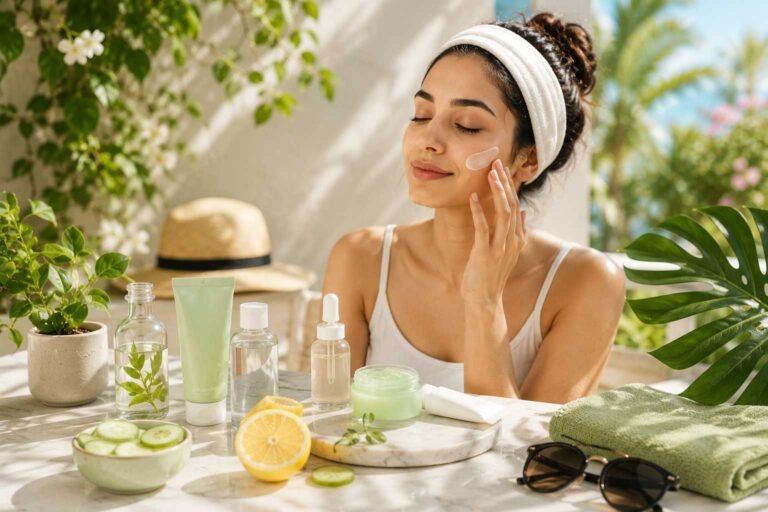
Using suitable broad-spectrum sunscreen on exposed skin can help provide protection. Hats, sunglasses, shade, and protective clothing can also be useful.
Sun protection is not only important during holidays or summer. Consistent protection can be incorporated into everyday routines.
Moisturizing for Healthy-Looking Skin
Moisturizer can help support the skin barrier and reduce moisture loss. Different skin types may benefit from different textures.
Lightweight lotions or gels may feel comfortable on oilier skin, while richer creams may be more suitable for dry skin.
The goal is not to make the skin feel excessively greasy or heavily coated. A comfortable product that suits your skin and can be used consistently is usually more practical.
Why Hydration Matters
Hydration is an important part of general health and can also contribute to how fresh the skin appears.
Drinking enough fluids throughout the day supports normal body functions. Environmental factors such as heat, dry air, and physical activity can also influence hydration needs.
Skincare products can support the skin’s moisture balance, but they should be considered alongside overall lifestyle habits.
Taking Care of Your Hair
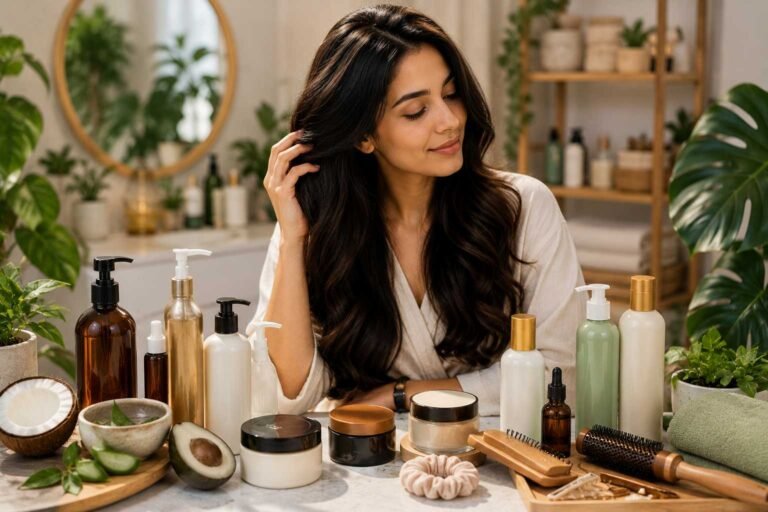
Healthy-looking hair depends on several factors, including hair type, scalp condition, cleansing habits, styling practices, and environmental exposure.
Some people may need frequent washing because their scalp becomes oily, while others with dry or textured hair may prefer less frequent washing.
Using conditioner where appropriate and avoiding excessive heat can help maintain the appearance and manageability of hair.
Choosing the Right Haircare Products
Haircare products should be selected according to the needs of the hair and scalp rather than simply following advertising claims.
Someone with curly or textured hair may prioritize moisture and definition, while someone with fine hair may prefer lightweight products.
It is also useful to avoid constantly changing products when the existing routine is working well.
Everyday Makeup for a Fresh Look
Makeup can be used to enhance natural features, express creativity, or create a specific appearance for an occasion.
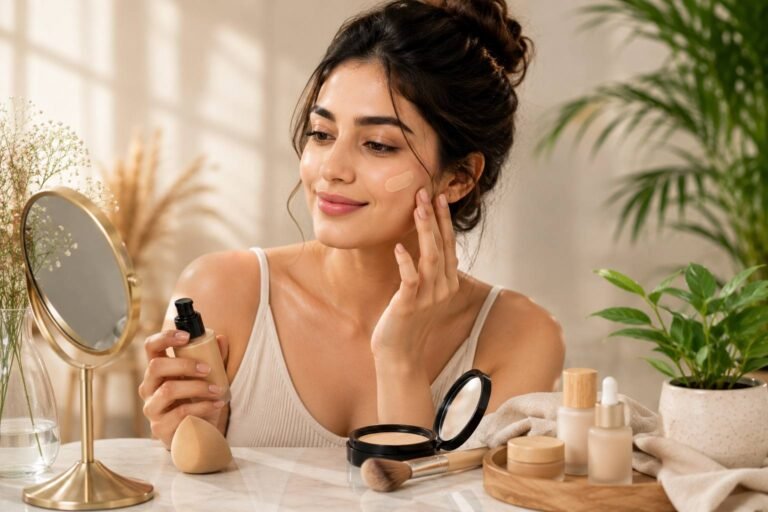
An everyday look can be relatively simple, using products such as a lightweight base, concealer, blush, mascara, brow products, and lip color.
The goal does not have to be complete coverage. Many modern makeup styles focus on natural-looking skin and strategically enhancing selected features.
Choosing the Right Foundation
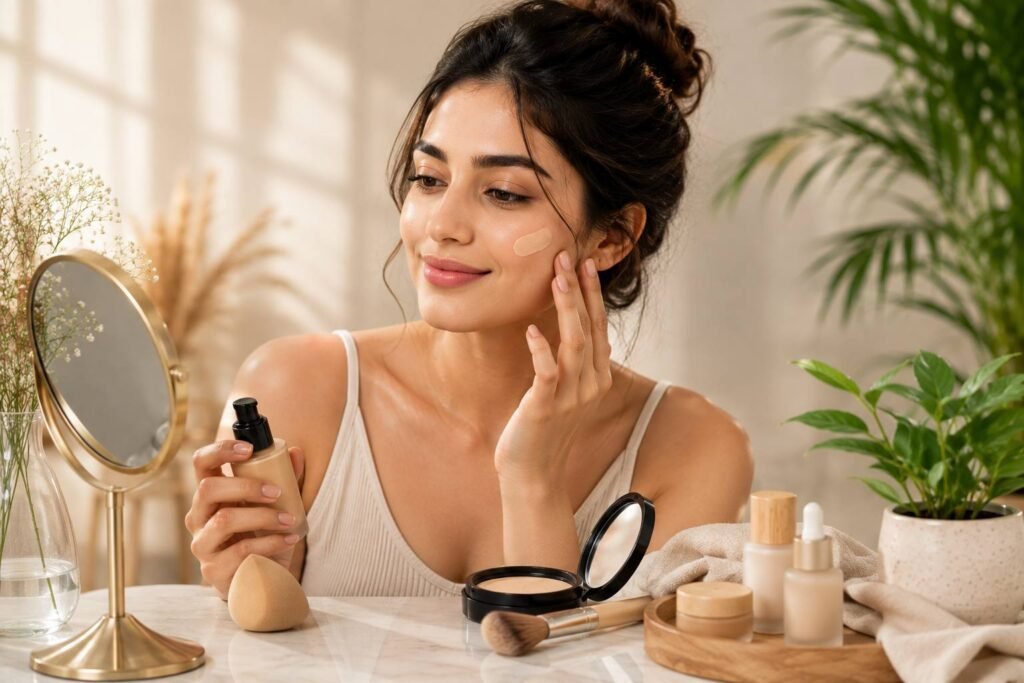
Foundation should generally be selected according to skin type, desired coverage, finish, and shade.
A lightweight formula may be comfortable for everyday wear, while higher coverage can be useful for events or occasions where a more polished appearance is desired.
Finding an appropriate shade is particularly important. The product should blend naturally rather than creating a visible difference between the face and surrounding skin.
The Importance of Blending
Blending is one of the most important makeup techniques. Even expensive products can look unnatural if they are applied unevenly.
Foundation, concealer, blush, bronzer, and eyeshadow should generally transition smoothly into surrounding areas.
Using clean brushes or sponges and applying products gradually can make it easier to achieve a balanced finish.
Natural Makeup Trends
Natural-looking makeup continues to appeal to people who want a fresh and understated appearance.
Soft blush, lightly defined brows, subtle eye makeup, natural-looking skin, and comfortable lip colors can create an effortless style.
Natural makeup does not necessarily mean using fewer products. It is more about the final appearance and how naturally the products blend with the individual’s features.
Taking Care of Your Makeup Tools
Brushes and sponges come into direct contact with the skin, so maintaining their cleanliness is an important part of a makeup routine.
Product residue, oil, and microorganisms can accumulate on tools over time. Cleaning them according to the manufacturer’s recommendations can support better hygiene.
Damaged or excessively worn tools should also be replaced when necessary.
Beauty and Personal Hygiene
Personal hygiene forms the foundation of everyday grooming. Regular bathing, oral care, clean clothing, hand hygiene, hair maintenance, and appropriate grooming can contribute significantly to feeling fresh.
Beauty does not begin with cosmetics. Cleanliness and basic self-care often have a greater impact on everyday appearance and confidence.
Nutrition and Beauty
A balanced diet supports overall health, which can also influence the condition of skin and hair.
A varied diet containing vegetables, fruits, protein sources, whole grains, healthy fats, and other nutrient-rich foods can provide the body with important nutrients.
Instead of focusing on one food as a miracle solution for beauty, maintaining a balanced eating pattern is a more practical approach.
Sleep and Its Connection With Self-Care
Rest is an important part of a healthy lifestyle. Consistently poor sleep can affect mood, energy, concentration, and how refreshed a person feels.
Creating a regular bedtime routine, reducing unnecessary distractions before sleep, and maintaining a comfortable sleeping environment can support better rest.
Beauty routines are more effective when they are part of a healthy lifestyle rather than a substitute for it.
Stress and Its Effect on Appearance
Stress can affect daily habits, sleep, eating patterns, and overall well-being. These factors can indirectly influence the way a person looks and feels.
Simple self-care practices such as walking, reading, spending time with friends, relaxing, exercising appropriately, or taking breaks from screens can support overall well-being.
Beauty should include activities that help you feel better rather than only activities designed to change your appearance.
Building a Simple Morning Routine
A practical morning beauty routine can begin with basic skincare and personal grooming.
Depending on individual needs, this might include cleansing, moisturizing, sun protection, hair styling, and optional makeup.
The routine should be realistic enough to complete regularly. A five-minute routine that you consistently follow can be more useful than a complicated routine that you rarely have time to complete.
Creating an Evening Beauty Routine
An evening routine provides an opportunity to remove makeup, cleanse the skin, moisturize, and prepare for rest.
Removing makeup before sleeping can help keep the skin clean and comfortable. Hair can also be gently brushed or prepared according to its texture and styling needs.
Keeping the evening routine simple can make it easier to maintain every day.
Beauty on a Budget
Looking after your appearance does not require expensive products. Many useful beauty habits are affordable or cost very little.
Basic hygiene, sun protection, adequate sleep, balanced nutrition, regular hair care, and simple skincare can create a strong foundation.
When purchasing products, it is often better to spend money on items that solve a genuine need rather than buying something solely because it is trending.
Avoiding Beauty Product Overload
The beauty industry constantly introduces new products, ingredients, tools, and trends. This can encourage people to build unnecessarily complicated routines.
Using too many products at once can make it difficult to identify which products are helping or causing irritation.
A simpler routine can be easier to understand and maintain. New products can be introduced one at a time so their effects can be observed more clearly.
Beauty and Confidence
Confidence is one of the most powerful elements of personal style. Clothing, makeup, hair, and skincare can support confidence, but they should not determine a person’s self-worth.
Everyone has unique features, skin texture, hair characteristics, and facial expressions. These differences are part of individuality.
A good beauty routine should help you feel comfortable with yourself rather than constantly comparing yourself with others.
Social Media and Beauty Standards
Social media has made beauty inspiration easier to access than ever. Tutorials, product reviews, makeup transformations, hairstyles, and skincare routines can provide useful ideas.
However, online images may involve professional lighting, filters, editing, makeup artists, and carefully selected angles.
Real skin naturally has pores, texture, lines, pigmentation, and imperfections. Comparing everyday appearance with highly edited images can create unrealistic expectations.
Sustainable Beauty Choices
Sustainable beauty involves being more thoughtful about consumption. Buying fewer products, using what you already own, choosing reusable accessories, and avoiding unnecessary purchases can reduce waste.
Taking care of products and storing them properly can also help extend their useful life.
Sustainability does not require perfection. Small changes in everyday habits can make personal care more responsible.
When Professional Advice Is Better
Cosmetic products are not always the right solution for persistent skin or hair concerns. If someone experiences ongoing irritation, unexplained changes, persistent acne, unusual hair loss, or other concerning symptoms, professional advice may be more appropriate than continuously experimenting with new products.
A qualified healthcare professional can help determine whether a concern requires specific treatment.
Frequently Asked Questions About Beauty
What is the best beauty routine?
A good beauty routine is one that matches your individual needs and is easy to maintain. Basic skincare, sun protection, hygiene, hair care, adequate rest, and balanced nutrition can provide a strong foundation.
How can I improve my natural beauty?
Focus on healthy lifestyle habits, personal hygiene, skincare appropriate for your skin type, good hair care, adequate rest, and confidence. Makeup can be used to enhance features if desired.
Do expensive beauty products work better?
Not necessarily. Effectiveness depends on the product’s formulation, suitability for your needs, correct use, and consistency rather than price alone.
How can I get healthy-looking skin?
A consistent skincare routine, appropriate sun protection, balanced nutrition, adequate hydration, sufficient rest, and avoiding unnecessary irritation can support healthy-looking skin.
Is makeup bad for the skin?
Makeup itself is not necessarily harmful when suitable products are used correctly. Keeping makeup tools clean, following product instructions, and removing makeup appropriately are important for good hygiene.
How can I maintain healthy-looking hair?
Choose products appropriate for your hair and scalp, avoid excessive heat and harsh treatments, handle hair gently, and maintain a routine that suits your specific hair type.
How can I look beautiful without makeup?
Good hygiene, healthy-looking skin, well-maintained hair, appropriate grooming, adequate rest, and confidence can create a fresh appearance without makeup.
How often should I change my skincare routine?
There is generally no need to change a routine simply because a new product becomes popular. If your routine works well and suits your needs, consistency can be more useful than frequent changes.
Can lifestyle affect beauty?
Yes. Sleep, nutrition, hydration, stress, physical activity, hygiene, and other lifestyle factors can influence overall health and how refreshed a person feels.
Conclusion
Modern beauty is about much more than cosmetics. Healthy-looking skin, well-maintained hair, personal hygiene, balanced lifestyle habits, thoughtful grooming, and confidence all contribute to a polished and comfortable appearance.
You do not need dozens of products or an expensive routine to take care of yourself. Understanding your individual needs and creating simple habits that you can maintain consistently is often the most effective approach.
Beauty trends will continue to change, but the fundamentals remain valuable: take care of your skin, respect your natural features, maintain healthy habits, choose products thoughtfully, and use beauty as a form of self-expression rather than a measure of perfection.