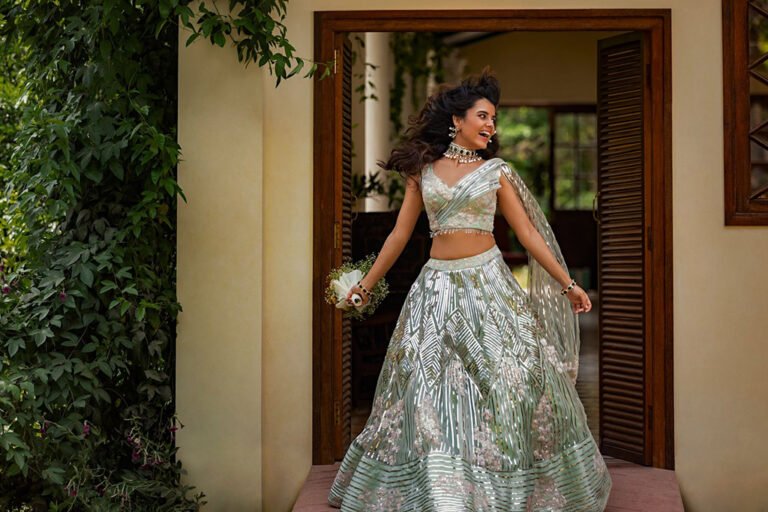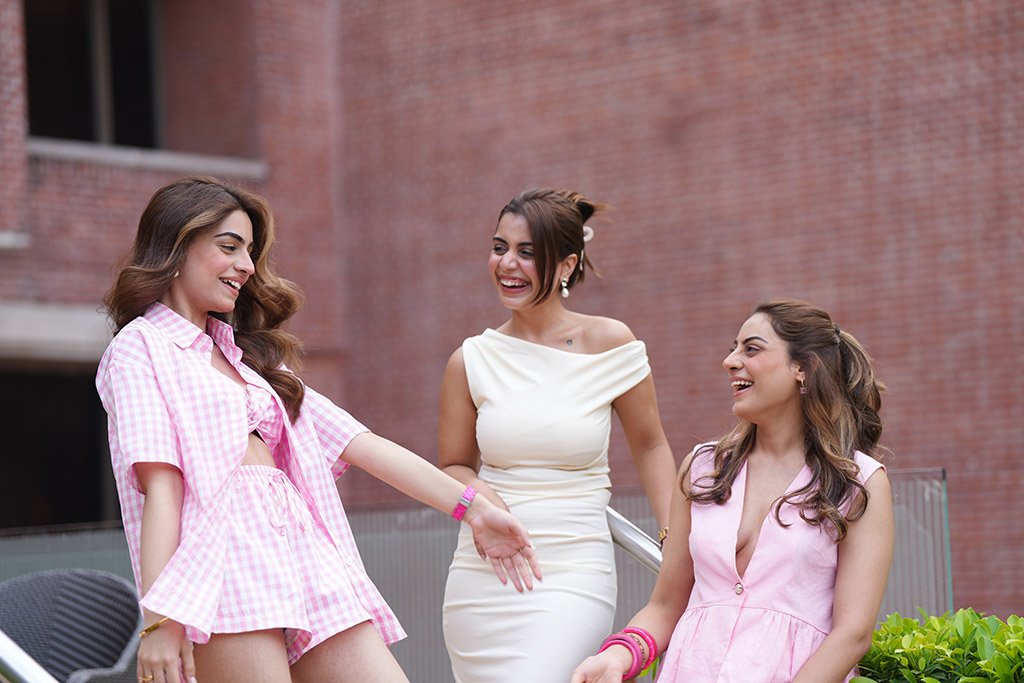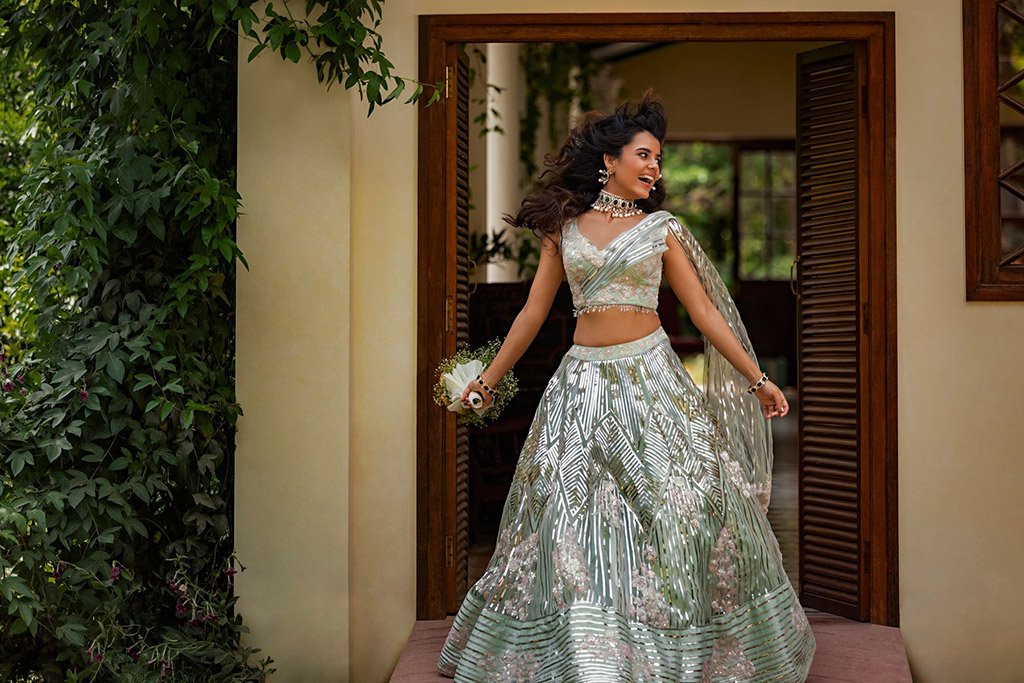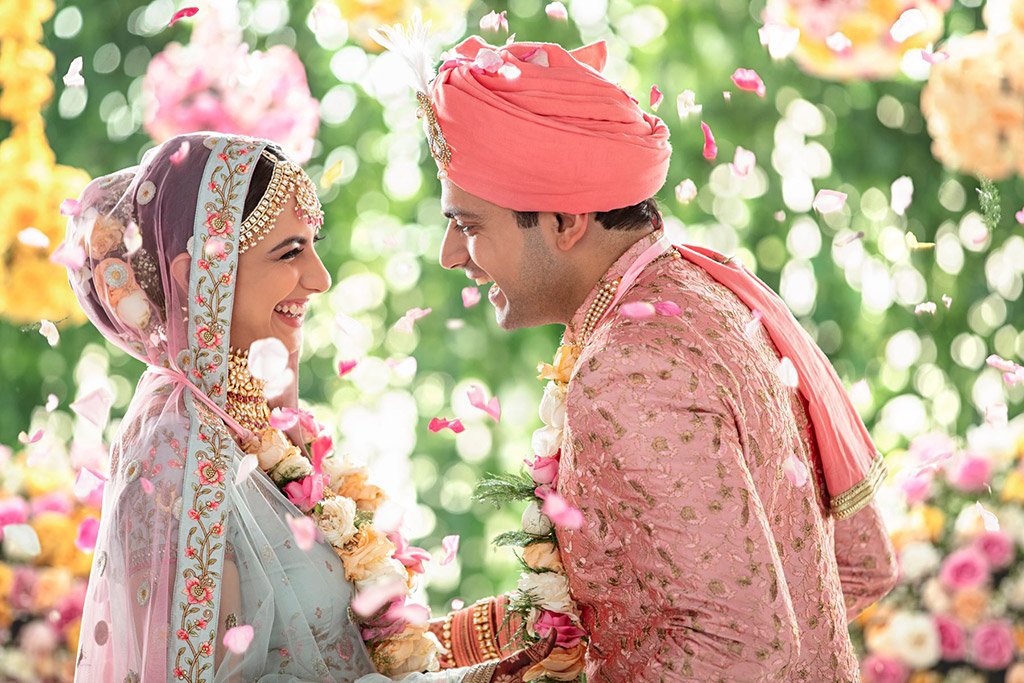
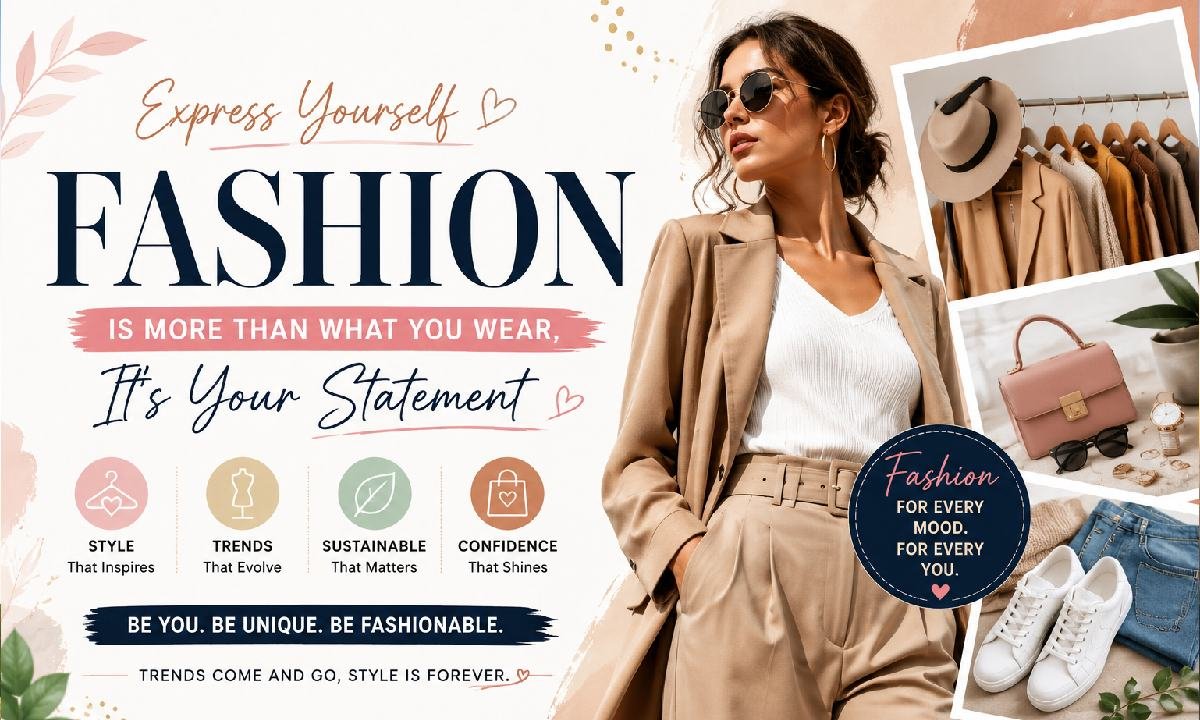
Fashion is much more than clothing. It is a form of self-expression, a reflection of culture, and an industry that constantly changes with society. From traditional garments and timeless classics to streetwear, sustainable clothing, and digitally influenced trends, fashion continues to evolve with the way people live, communicate, and express themselves.
Today, fashion influences everything from everyday clothing and accessories to beauty, lifestyle, entertainment, advertising, and social media. A trend can begin on a runway, become popular through celebrities and influencers, and eventually appear in everyday wardrobes around the world.
The modern fashion industry is also becoming more diverse and accessible. Consumers can discover styles from different countries, shop from international brands, follow designers online, and experiment with looks that were once limited to specific regions or communities.
Understanding fashion therefore means understanding more than what people wear. It means exploring creativity, identity, culture, technology, sustainability, and changing consumer behavior.
What Is Fashion?
Fashion refers to the popular styles, designs, colors, materials, and ways of dressing that people adopt during a particular period. It can include clothing, footwear, accessories, hairstyles, beauty trends, and even broader lifestyle choices.
Fashion is constantly changing because consumer preferences change. Designers introduce new collections, cultural movements influence aesthetics, celebrities create new trends, and social media allows styles to spread rapidly.
However, fashion does not always mean following every new trend. Personal style is equally important. Someone may prefer minimalist clothing, while another person may enjoy bold colors and experimental designs. Both can be fashionable because fashion provides people with the freedom to express themselves.
How Has Fashion Changed Over Time?
Fashion has evolved alongside human civilization. Clothing originally served practical purposes such as protection from weather and environmental conditions. Over time, garments also became indicators of culture, social status, occupation, community, and personal identity.
Traditional clothing remains important in many parts of the world, while modern fashion incorporates influences from different cultures. Historical silhouettes are also frequently reintroduced in contemporary designs.
Fashion trends often move in cycles. Styles that were popular decades ago can return with modern materials, cuts, colors, and styling. This is one reason vintage and retro fashion remain influential.
The evolution of fashion demonstrates that trends may change, but creativity and self-expression remain at the center of the industry.
Why Is Personal Style Important?
Personal style allows people to communicate something about themselves without saying a word. Clothing choices can reflect personality, lifestyle, mood, profession, cultural background, and individual preferences.
Some people build wardrobes around neutral colors and simple silhouettes. Others prefer statement pieces, patterns, layered outfits, or experimental combinations.
Developing personal style does not require purchasing expensive clothing. It often comes from understanding what fits well, what feels comfortable, and which colors, shapes, and combinations suit an individual’s preferences.
A strong personal style can also make fashion more sustainable because people are more likely to repeatedly wear pieces they genuinely like rather than constantly replacing their wardrobes.
The Rise of Streetwear
Streetwear has become one of the most influential areas of contemporary fashion. Originally associated with youth culture, skateboarding, music, and urban communities, streetwear has developed into a global fashion movement.
Oversized silhouettes, sneakers, graphic T-shirts, hoodies, jackets, caps, and relaxed trousers are commonly associated with streetwear. However, the style continues to evolve.
The popularity of streetwear demonstrates how fashion can move from subcultures into mainstream markets. Designers and established fashion houses increasingly incorporate casual and street-inspired elements into their collections.
Social media has accelerated this process by allowing people to discover streetwear styles from cities and communities around the world.
The Influence of Social Media on Fashion
Social media has transformed how fashion trends are discovered and shared. Platforms allow designers, brands, influencers, celebrities, stylists, and everyday consumers to showcase outfits instantly.
A fashion trend that might previously have taken months to spread can now become popular within a very short period.
Social platforms have also made fashion more interactive. Consumers can comment on designs, create styling videos, share outfit inspiration, and participate in fashion communities.
This has changed the relationship between fashion brands and consumers. Brands are no longer communicating only through magazines, television, billboards, or traditional advertising. They can communicate directly with audiences and receive immediate feedback.
How Celebrities Influence Fashion
Celebrities have always influenced fashion, but digital media has made their impact even stronger. When a well-known actor, musician, athlete, or public personality wears a particular outfit or accessory, fans and fashion enthusiasts may quickly search for similar styles.
Celebrity fashion can influence everything from clothing silhouettes to footwear, accessories, hairstyles, and colors.
However, modern consumers are increasingly influenced by a broader range of personalities. Social media creators, fashion bloggers, stylists, and niche influencers can have significant influence within specific communities.
This creates opportunities for smaller fashion brands because they can collaborate with creators whose audiences closely match their target customers.
The Importance of Sustainable Fashion
Sustainability has become an increasingly important conversation within the fashion industry. Traditional clothing production can involve significant use of raw materials, water, energy, transportation, and packaging.
Sustainable fashion focuses on reducing environmental impact and encouraging more responsible consumption and production practices.
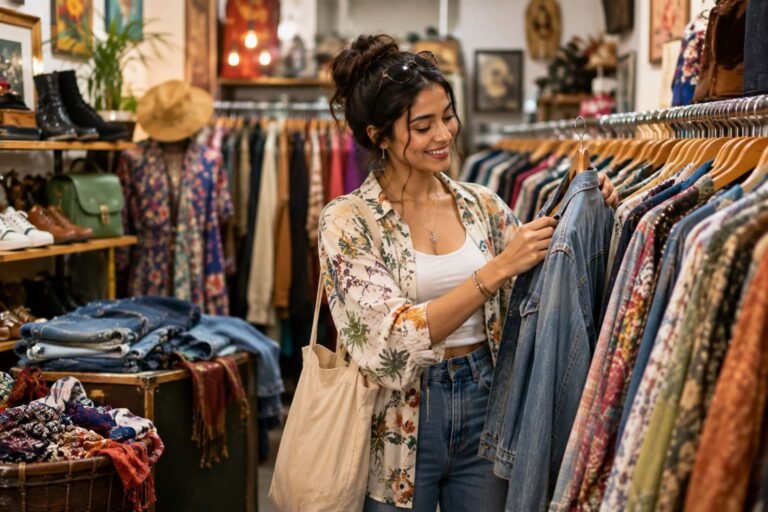
Consumers can contribute by purchasing fewer but more useful pieces, taking care of clothing properly, repairing damaged garments, choosing durable materials, and exploring second-hand fashion.
Brands can also consider responsible sourcing, efficient production, recyclable packaging, improved manufacturing practices, and greater transparency throughout their supply chains.
Sustainable fashion is not simply about one material or one type of clothing. It represents a broader approach to thinking about how garments are designed, produced, purchased, used, and eventually discarded.
Why Fast Fashion Became Popular
Fast fashion became popular because it allowed consumers to access frequently changing styles at relatively affordable prices. Retailers could quickly respond to trends and produce new collections at a rapid pace.
This model changed shopping behavior. Instead of purchasing a small number of garments for long-term use, some consumers began purchasing clothing more frequently.
While fast fashion increased accessibility, it also created concerns about waste, overconsumption, garment quality, labor conditions, and environmental impact.
The growing interest in sustainable and ethical fashion reflects a shift toward more conscious consumption. Consumers are increasingly interested in understanding where their clothes come from and how they are produced.
The Role of Technology in Fashion
Technology is changing fashion at almost every stage. Digital design tools allow designers to visualize garments before physical production. E-commerce allows brands to sell directly to customers around the world. Data analytics helps companies understand consumer preferences.
Artificial intelligence, virtual fitting technologies, personalization systems, and digital fashion experiences are also influencing the industry.
Technology can help brands make better decisions about inventory, customer preferences, product recommendations, and marketing.
For consumers, technology makes fashion discovery and shopping more convenient. People can browse thousands of products, compare styles, watch styling videos, and purchase products without visiting a physical store.
Fashion and E-Commerce
Online shopping has transformed the fashion industry. Consumers can now purchase clothing, shoes, accessories, and beauty products from websites and mobile applications.
E-commerce has also lowered barriers for emerging fashion brands. A small brand can build an online store, develop a social media following, and reach customers without operating a large network of physical stores.
However, competition in online fashion is intense. Brands need attractive product photography, clear descriptions, reliable customer service, convenient payment options, fast websites, and effective digital marketing.
Customer reviews and social proof are also extremely important because shoppers cannot physically touch or try products before purchasing them.
The Importance of Fashion Branding
Fashion is highly visual, which makes branding particularly important. A strong fashion brand needs more than a recognizable logo. Its identity can include colors, typography, photography, packaging, product design, tone of voice, and overall customer experience.
Successful fashion brands often create a recognizable aesthetic that customers can identify across different platforms.
Brand storytelling is also important. Consumers may connect with a brand because of its design philosophy, cultural inspiration, sustainability efforts, craftsmanship, or community.
A consistent brand identity can help fashion businesses differentiate themselves in a crowded marketplace.
Fashion Trends and Seasonal Collections
Fashion trends often change according to seasons, cultural events, consumer interests, and designer collections.
Spring and summer fashion commonly emphasizes lighter fabrics, brighter colors, breathable silhouettes, and relaxed styling. Autumn and winter collections often introduce layering, heavier materials, jackets, coats, boots, and deeper tones.
However, modern fashion is becoming less dependent on strict seasonal rules. Global e-commerce means consumers can discover styles from different climates and regions throughout the year.
Many people are also moving toward versatile wardrobes containing pieces that can be styled across multiple seasons.
The Growing Popularity of Minimalist Fashion
Minimalist fashion focuses on simplicity, functionality, and versatility. Neutral colors, clean silhouettes, timeless pieces, and limited patterns are commonly associated with minimalist wardrobes.
The appeal of minimalism comes partly from its practicality. A smaller collection of versatile clothing can create many different outfits.
Minimalist fashion also connects with the broader movement toward conscious consumption. Instead of constantly buying new trends, consumers can focus on quality pieces that remain useful for longer periods.
The Future of Fashion
The future of fashion is likely to be shaped by sustainability, technology, personalization, changing consumer expectations, and digital commerce.
Consumers may increasingly expect brands to provide transparency about materials, manufacturing, labor practices, and environmental impact.
Technology will continue to influence how products are designed, marketed, purchased, and experienced. Virtual try-ons, personalized recommendations, digital showrooms, and advanced e-commerce experiences may become increasingly common.
At the same time, creativity will remain essential. Fashion is fundamentally about ideas, identity, experimentation, and culture. Technology can support designers, but human creativity will continue to drive the development of new aesthetics.
How Can Fashion Brands Grow Online?
Fashion brands need a strong digital presence because consumers increasingly discover products through search engines, social media, influencers, online marketplaces, and brand websites.
A fashion brand can combine search engine optimization, social media marketing, influencer collaborations, content marketing, paid advertising, email marketing, and e-commerce optimization to reach customers.
High-quality visual content is especially important. Fashion customers often want to see products from multiple angles and understand how garments look when styled.
A strong online strategy should therefore combine attractive creative content with accurate product information and a smooth shopping experience.
Why Fashion Will Always Matter
Fashion has survived countless cultural and technological changes because it fulfills more than a practical purpose. People use clothing to express identity, creativity, belonging, confidence, and individuality.
Trends will continue to change. Some styles will disappear, while others will return decades later. New technologies will change how clothing is designed and purchased, while sustainability will influence how products are produced and consumed.
Yet the fundamental purpose of fashion will remain the same: helping people express who they are and how they want to be perceived.
Conclusion
Fashion is an ever-changing combination of creativity, culture, technology, business, and personal expression. From traditional clothing and timeless classics to streetwear, sustainable fashion, digital commerce, and technology-driven experiences, the industry continues to evolve.
Modern consumers have more choices than ever before. They can explore global trends, build their own personal style, discover independent designers, shop online, and participate in fashion communities through social media.
For fashion brands, this creates enormous opportunities but also intense competition. Businesses that understand their audiences, create distinctive identities, deliver quality products, embrace responsible practices, and build strong digital experiences can establish lasting relationships with customers.
Ultimately, fashion is not simply about following trends. It is about creativity, confidence, individuality, and the freedom to express yourself.
Frequently Asked Questions About Fashion
What is fashion?
Fashion refers to popular styles and trends related to clothing, footwear, accessories, beauty, and personal appearance. It also represents culture, creativity, identity, and self-expression.
Why is fashion important?
Fashion allows people to express their personalities, cultural identities, lifestyles, and individual preferences. It is also a major global industry that creates employment and influences art, entertainment, media, and commerce.
What is personal style?
Personal style is the way an individual chooses and combines clothing, accessories, colors, patterns, and other elements to create a distinctive appearance.
What is sustainable fashion?
Sustainable fashion focuses on reducing the environmental and social impact associated with producing, selling, using, and disposing of clothing.
Why is streetwear popular?
Streetwear is popular because it combines comfort, individuality, cultural influences, and casual styling. Social media and celebrity culture have also contributed significantly to its global popularity.
How does social media affect fashion?
Social media allows trends, outfits, brands, and designers to reach audiences quickly. Influencers and creators can introduce new styles and significantly affect consumer preferences.
How has technology changed fashion?
Technology has influenced fashion design, manufacturing, e-commerce, advertising, personalization, virtual fitting, inventory management, and customer experiences.
What is fast fashion?
Fast fashion refers to a retail model focused on producing and selling new styles quickly in response to changing trends and consumer demand.
Is minimalist fashion still popular?
Yes. Minimalist fashion remains attractive because it emphasizes simple, versatile, practical, and timeless clothing that can be styled in multiple ways.
How can fashion brands attract customers online?
Fashion brands can use SEO, social media, influencer marketing, content marketing, paid advertising, email campaigns, e-commerce optimization, and high-quality visual content to attract and retain customers.
Why is branding important for fashion companies?
Strong branding helps fashion companies differentiate themselves from competitors and create a recognizable identity that customers can remember and connect with.
What will fashion look like in the future?
Future fashion is likely to combine sustainability, technology, personalization, digital shopping experiences, innovative materials, and changing consumer preferences while continuing to emphasize creativity and self-expression.