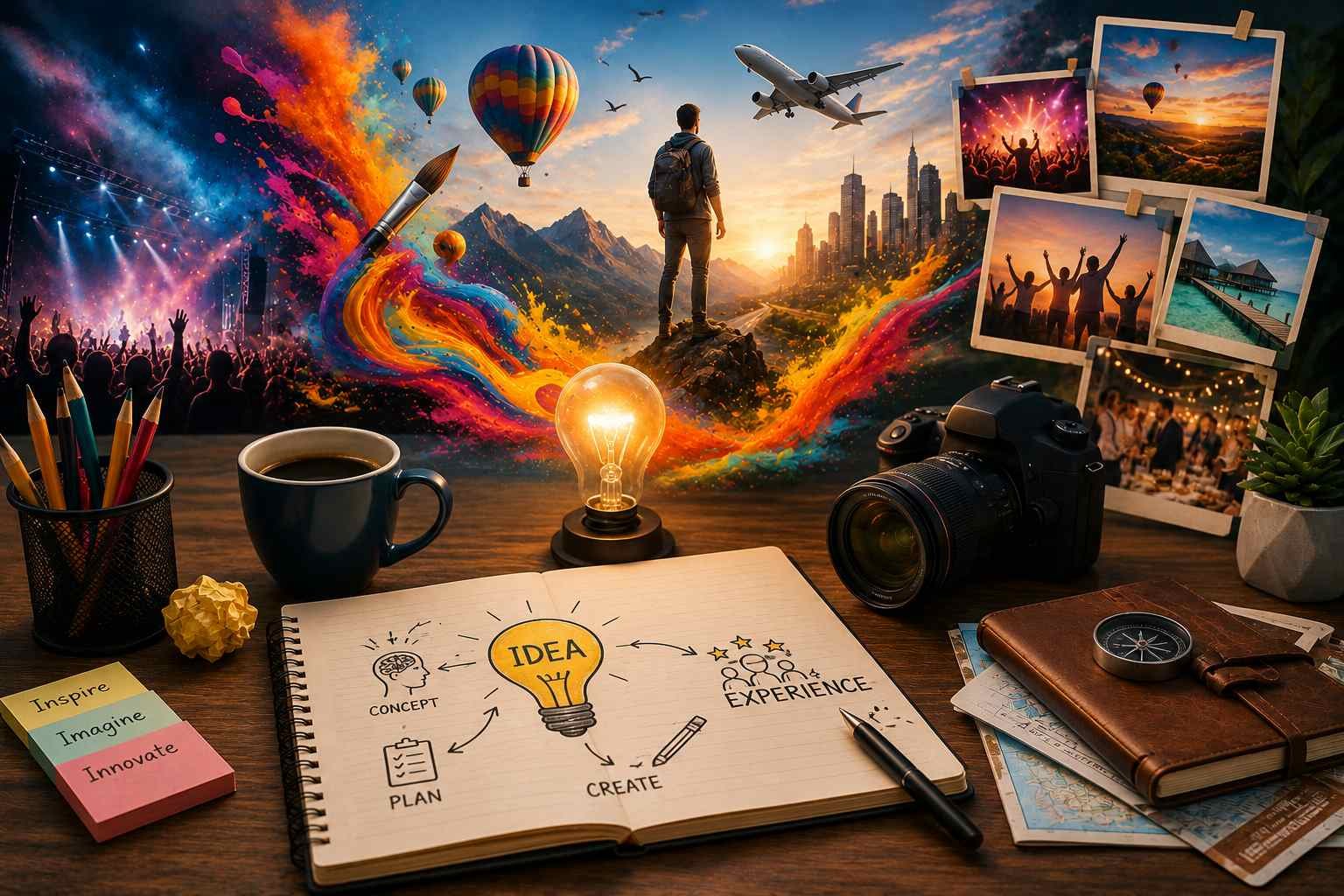
Design experience is about creating interactions that are useful, attractive, engaging, and memorable. It combines creativity, technology, functionality, and an understanding of human behavior to shape how people experience a product, service, brand, event, or physical space.
Today, people expect more than a good-looking product or website. They want experiences that are simple, convenient, personalized, and enjoyable. This is why experience-focused design has become an important part of modern business and branding.
The Meaning of Design Experience
Design experience looks at the complete journey of a user rather than focusing on one individual design element. It considers what people see, how they interact, what they feel, and how easily they can achieve their goals.
For example, a website may have attractive graphics, but if visitors cannot find important information easily, the overall experience may still be poor.
Effective design brings appearance and functionality together.
People Are at the Center of Design
The best design experiences begin with an understanding of people. Designers need to know who their audience is, what they expect, and what problems they are trying to solve.
User research can reveal valuable information about customer behavior and preferences. Feedback and usability testing can then help improve the experience.
Instead of assuming what users want, businesses can use real insights to create more relevant solutions.
Creating Better Digital Experiences
Websites and applications are major areas where design experience matters. Users generally expect digital platforms to be fast, responsive, easy to navigate, and visually clear.
A well-planned digital experience can guide visitors naturally from one step to another. Clear menus, readable content, appropriate images, intuitive buttons, and simple forms can reduce confusion.
Mobile responsiveness is equally important because many users access websites through smartphones.
Design Experience in Brand Communication
Every interaction with a brand contributes to the overall experience. A customer may interact with a business through its website, social media, advertisements, packaging, emails, customer service, or physical location.
Consistent design across these touchpoints helps create a recognizable brand identity.
When visual elements and messaging work together, customers can develop a clearer understanding of what the brand represents.
Designing Physical Experiences
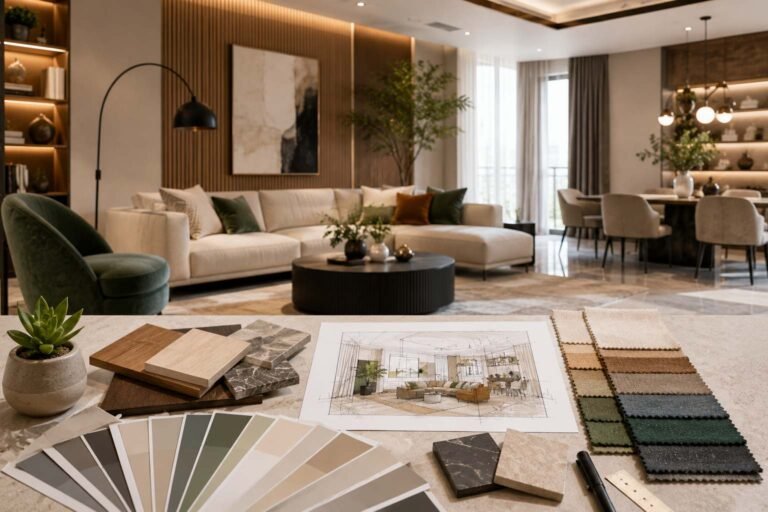
Experience design also plays a major role in physical environments. Hotels, restaurants, retail stores, offices, museums, exhibitions, and entertainment venues use design to influence how visitors experience a space.
Lighting, colors, furniture, architecture, signage, sound, and layout can all contribute to the atmosphere.
A thoughtfully designed environment can make visitors feel comfortable, inspired, excited, or connected to the brand.
The Role of Experience in Events
Events are excellent examples of experience-driven design. Guests interact with multiple elements from the moment they receive an invitation until they leave the venue.
Registration, entrance design, stage setup, lighting, seating, entertainment, technology, food, and guest services all influence the overall experience.
Successful event design creates a journey rather than simply decorating a venue.
Emotional Connection and Storytelling
Design can also communicate emotions and stories. Colors, images, typography, sound, movement, and interactive elements can help establish a particular mood.
Storytelling can make an experience more meaningful by giving people a reason to connect with what they are seeing or doing.
For businesses, emotional experiences can help customers remember a brand beyond the basic product or service.
Technology in Modern Design
Technology is creating new opportunities for experience designers. Interactive displays, artificial intelligence, augmented reality, virtual reality, projection technology, and immersive installations can make experiences more engaging.
For example, an exhibition can use interactive screens to allow visitors to explore information at their own pace. A retail environment can use digital technology to create personalized interactions.
Technology works best when it solves a problem or adds meaningful value to the experience.
Accessibility and Inclusive Experiences
Good design should consider different types of users. Accessibility ensures that more people can interact with a product, service, website, or environment comfortably.
Readable text, clear navigation, captions, alternative text, accessible entrances, appropriate signage, and thoughtful layouts are examples of inclusive design considerations.
Designing for accessibility can improve the overall experience for a much wider audience.
Why Businesses Invest in Design Experience
Businesses understand that customer expectations are influenced by every interaction. A confusing website, difficult purchasing process, or uncomfortable physical environment can negatively affect how customers perceive a company.
On the other hand, a smooth and enjoyable experience can encourage customer satisfaction and stronger brand relationships.
This makes design experience an important part of customer engagement and brand strategy.
The Future of Design Experience
The future of design will likely involve closer integration between physical and digital experiences. Artificial intelligence, immersive technology, personalization, and interactive environments may become increasingly common.
However, technology alone will not create great experiences. Successful design will continue to depend on understanding people and solving real problems.
The focus will increasingly shift from simply creating attractive products to creating complete experiences that people value.
Conclusion
Design experience combines creativity, functionality, technology, and human understanding to create meaningful interactions. It can influence how people use a website, experience a brand, navigate a space, or participate in an event.
As competition increases, businesses need to think beyond appearance and focus on the complete customer journey. A thoughtful design experience can make interactions easier, create emotional connections, strengthen brand identity, and leave a lasting impression.